


Insights
All Articles

Does your construction business qualify for the R&D tax credit?
Learn how construction companies may qualify for the federal R&D tax credit through innovative building methods, material testing, engineering, and experimentation.

Safe harbor, safe timing: Why your 401(k) decisions happen in November
For many employers, November is an important 401(k) planning month. A calendar-year plan that uses certain safe harbor features may need to provide eligible employees with an annual notice 30 to 90 days before the new plan year begins. The rules are not identical for every safe harbor plan. Some plans are required to provide an annual safe harbor notice, while others may not. Regardless, now is a practical time for business owners to review the plan, understand the available choices and coordinate any changes with their advisors. We’ve outlined some considerations to help you:

Bonuses, company cars, and W-2s: The November payroll checklist
Problems can loom large when payroll administrators ask for year-end information on a tight timeline. Owners and employees may be unavailable, records may be incomplete and the final payroll run may already be scheduled. That’s why November is the right time for a payroll checkup. Gathering information now gives your business time to value taxable benefits, confirm bonus amounts, correct employee records and meet the payroll provider’s cutoff. It also reduces the risk of inaccurate W-2s, amended payroll returns and unpleasant surprises for employees.

The pro-rata rule: the backdoor Roth IRA mistake that can create an unexpected tax bill
The backdoor Roth IRA strategy can trigger an unexpected tax bill if you overlook the pro-rata rule, which requires the IRS to treat all of your traditional IRA balances together when calculating how much of a conversion is taxable. A separate account, a prior 401(k) rollover, or even a year-end IRA balance you didn't have at the time of conversion can all affect the result. Before contributing or converting, review your full IRA picture to avoid a costly surprise at tax time.

A new federal tax credit could help fund K-12 scholarships starting in 2027
Starting in 2027, a new federal tax credit will allow eligible taxpayers to reduce their tax liability dollar for dollar by making cash contributions to qualifying Scholarship Granting Organizations that fund K-12 education. Unlike a charitable deduction, this credit directly offsets what you owe, with individual credits of up to $1,700 per year and up to $3,400 for married couples filing jointly. If you support education-focused giving, now is the time to understand how this new credit interacts with existing state programs and your overall charitable strategy.

How much cash should your business actually keep?
How much cash should your business keep on hand? The answer depends on more than a simple rule of thumb. This article breaks down a practical framework for separating your cash into layers, covering operating needs, committed funds, and contingency reserves, so you can make smarter decisions about liquidity, capital allocation, and when cash truly becomes excess.

New IRS per diem rates in effect as of October 1
The IRS has released its 2026-2027 special per diem rates for business travel, and the changes took effect October 1st. If your company reimburses employees for travel expenses, now is the time to update your rates, review your reimbursement policy, and ensure your expense systems reflect the latest IRS guidance before outdated rates create compliance problems. Read our latest article to learn what changed, what it means for your business, and what your finance team should do right now.

The construction business owner’s deadline
Bonus depreciation is back to 100 percent, but the placed-in-service deadline still decides which tax year your equipment deduction lands in. Here's how St. George contractors should plan Q4 purchases.

Year-end tax planning: 10 moves to consider before 2026 ends
Year-end tax planning isn't simply about finding deductions. It's about looking at your overall financial picture, estimating where you are likely to finish the year, and identifying opportunities or potential problems while there’s still time to address them. Here are 10 factors individuals and business owners should consider reviewing before 2026 comes to a close.
2026 Federal tax changes: What to know before you file
The IRS has announced inflation adjustments for more than 60 tax provisions for tax year 2026. These amounts generally apply to the federal income tax returns taxpayers will file in 2027. In addition, taxpayers should be aware of changes involving charitable deductions, the qualified business income deduction, energy tax credits, and several other areas. Here are some of the 2026 federal tax changes worth knowing about.

IRS introduces automatic penalty relief for taxpayers with a strong compliance history
The IRS is replacing its First Time Abate program with a new Automatic Exemption from Penalty (AEP), which will automatically prevent certain penalties for eligible taxpayers with a strong compliance history. Starting with 2025 tax year returns and 2026 quarterly returns, qualifying individuals and businesses may avoid failure-to-file, failure-to-pay, and failure-to-deposit penalties without needing to call the IRS or submit a separate request. Understanding the eligibility requirements and transition timeline is key to making the most of this change.
Form 990 filing mistakes that can undermine your nonprofit’s credibility
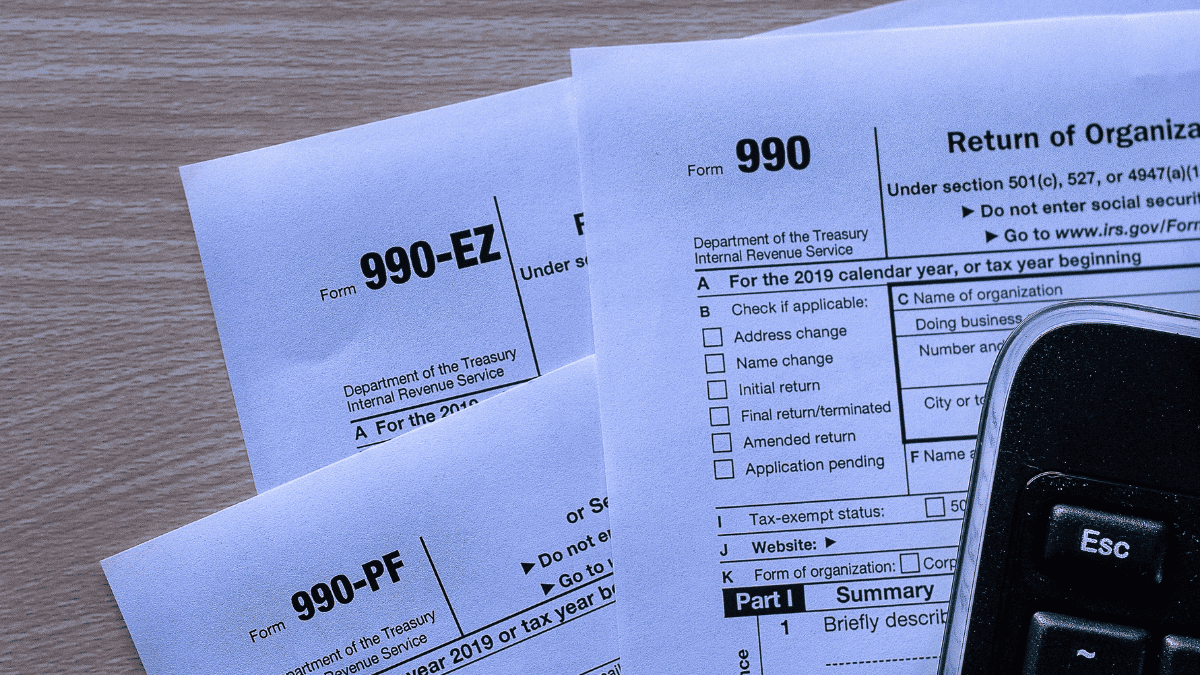
Form 990 is more than a tax return; it's a public document that donors, grantmakers, and regulators use to evaluate your nonprofit. Common mistakes in filing, reconciliation, and narrative disclosures can raise questions about financial stewardship or put your tax-exempt status at risk. This article outlines the key errors to avoid and how to build a more reliable year-over-year filing process.
No results found.